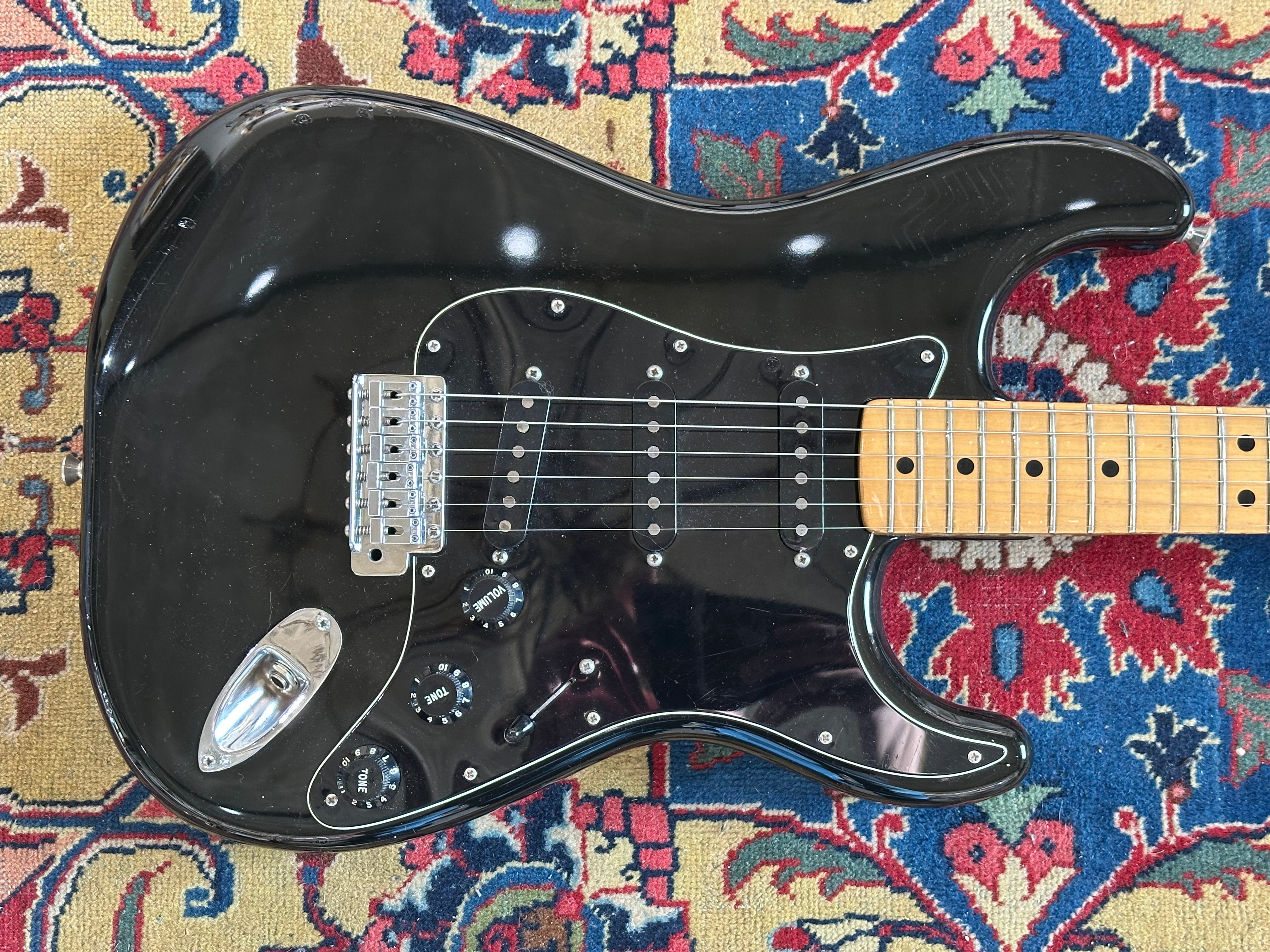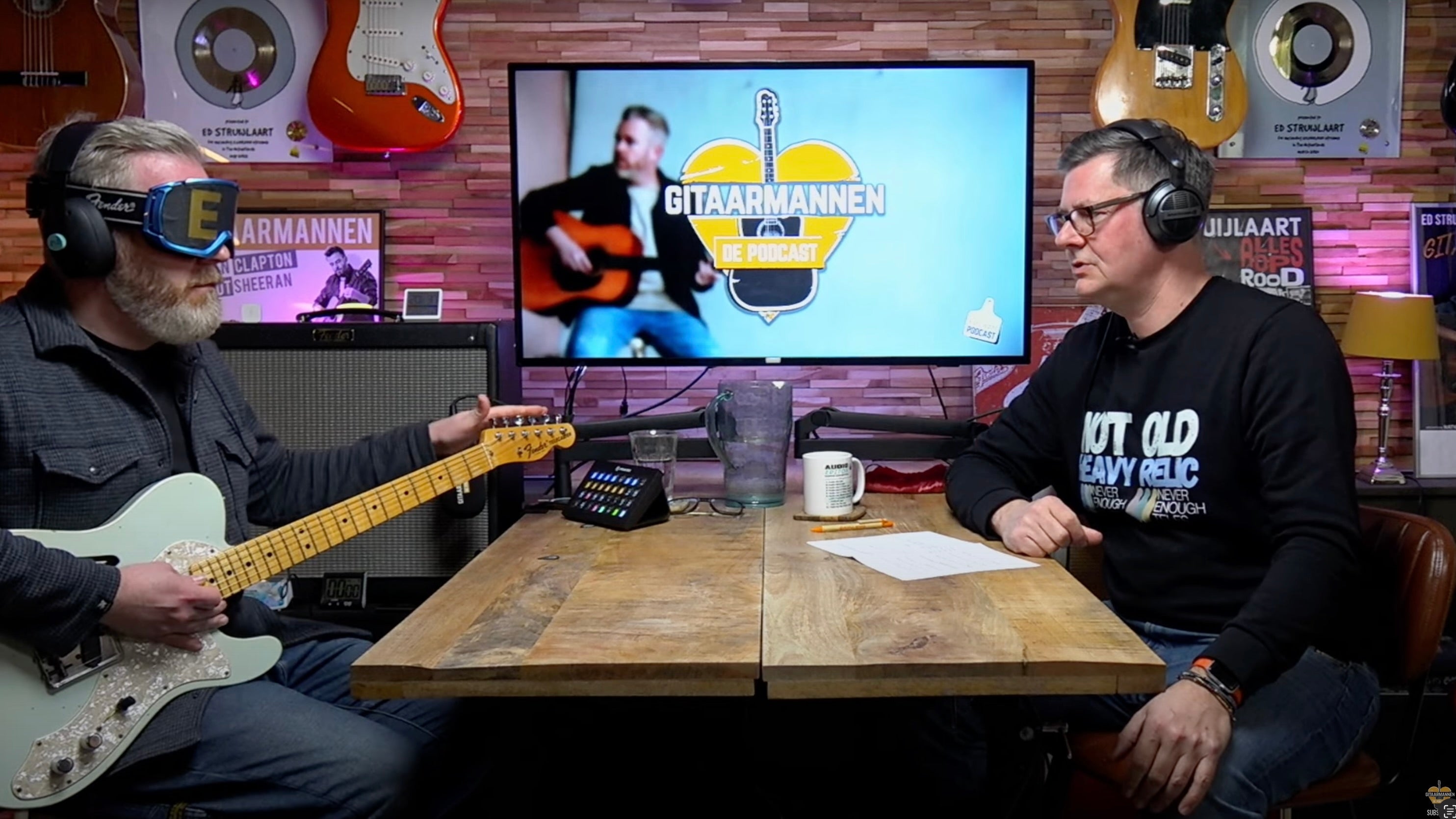

Waarom Vince Cunetto relics de meest gewilde Custom Shop-gitaren zijn – en wat ze zo speciaal maakt.
Als je je ooit hebt afgevraagd waarom bepaalde Fender Custom Shop Stratocasters uit de late jaren 90 hoge prijzen opbrengen en binnen enkele dagen uit de winkels verdwijnen, sta je op het punt een van de best bewaarde geheimen in de gitaargeschiedenis te ontdekken: het Cunetto-tijdperk.
Tussen 1995 en 1999 was een kleine werkplaats in Missouri verantwoordelijk voor het creëren van wat veel verzamelaars beschouwen als de beste relic-gitaren die ooit zijn gemaakt. Deze werden niet gebouwd door Fender – althans, niet volledig. Ze werden afgewerkt door Vince Cunetto, en zijn technieken blijven tot op de dag van vandaag een mysterie.
Hoe de Fender Custom Shop begon — en waarom ze hulp nodig hadden
De Fender Custom Shop werd opgericht in 1987, hetzelfde jaar dat de fabriek in Corona, Californië, haar deuren opende. Hoewel deze nieuwe faciliteit Fenders triomfantelijke terugkeer naar Amerikaanse productie vertegenwoordigde, kwam het met aanzienlijke beperkingen.
De fabriek in Corona miste de benodigde vergunningen en apparatuur om nitrocellulose lakafwerkingen aan te brengen – dezelfde afwerking die werd gebruikt op vintage Fenders uit de jaren 50 en 60. Dit lijkt misschien een klein detail, maar voor gitaarliefhebbers is nitrocellulose alles. Het is dunner, veroudert prachtig en laat het hout anders resoneren dan moderne polyurethaan afwerkingen.
Begin jaren 90 merkte Fender een groeiende trend op: spelers wilden gitaren die eruitzagen en aanvoelden als vintage instrumenten. Het "relic"-concept ontstond uit noodzaak – toen de Custom Shop gitaren repareerde voor beroemde muzikanten, moesten ze vervangende onderdelen verouderen om overeen te komen met de originele slijtage. Een perfecte nieuwe hals op een doorleefde 1962 Stratocaster zag er simpelweg verkeerd uit.
Maar Fender kon dit werk niet intern doen. Ze hadden de nitro-mogelijkheden niet, en eerlijk gezegd hadden ze de expertise niet.
Maak kennis met Vince Cunetto
Vince Cunetto was een gitaarbouwer en afwerkingsexpert gevestigd in Missouri die een relatie met Fender had opgebouwd. Zijn werkplaats had alles wat de fabriek in Corona miste: nitrocellulose-mogelijkheden, verouderingstechnieken en jarenlange ervaring met het bestuderen van hoe vintage gitaren van nature slijten.
In 1995 trof Fender een ongebruikelijke regeling. Ze zouden Stratocaster- en Telecaster-body's en -halzen produceren in Corona, samen met alle hardware – bruggen, stemmechanieken, pickups, knoppen en slagplaten. Deze onderdelen werden vervolgens verzonden naar de werkplaats van Cunetto, waar zijn team het volgende zou doen:
- Authentieke nitrocellulose lakafwerkingen aanbrengen
- De gitaren verouderen met behulp van gepatenteerde technieken
- De complete instrumenten monteren
- De afgewerkte relics terugsturen naar Fender
Deze regeling duurde precies vier jaar, van 1995 tot 1999.
Wat maakt Cunetto Relics anders?
Vince Cunetto ontwikkelde zijn eigen methoden voor het verouderen van gitaren, en hier is het cruciale detail: hij deelde zijn geheimen nooit met Fender.
Toen de samenwerking in 1999 eindigde en Fender zelf begon met relic-werk, moesten ze helemaal opnieuw beginnen. De Fender relics van begin jaren 2000 zien er merkbaar anders uit dan Cunetto-tijdperk gitaren – de slijtagepatronen, de craquelé van de lak, de algehele patina.
Cunetto relics staan bekend om:
- Authentieke craquelé patronen die meer dan 30 jaar natuurlijke veroudering nabootsen
- Subtiele slijtage op de juiste plaatsen – waar je arm rust, waar je duim de achterkant van de hals raakt
- Nitrocellulose afwerkingen die na verloop van tijd prachtig blijven verouderen
- Aandacht voor veroudering van hardware – de stemmechanieken, brugzadels en pickupkappen vertonen allemaal tijdsgetrouwe oxidatie
De gitaren waren niet zwaar verouderd zoals sommige moderne relics. Cunetto's filosofie was terughoudendheid: de gitaren zagen eruit als goed bespeelde vintage instrumenten, niet alsof ze achter een vrachtwagen waren gesleept.
Een Cunetto Relic identificeren

Als je op zoek bent naar een Custom Shop-gitaar uit het Cunetto-tijdperk, let dan op het volgende:
Productiejaren: 1995, 1996, 1997, 1998 of 1999
Kop: achterkant van de kop heeft een embossed Fender Custom Shop-logo
Halsdatumstempels: Controleer de hiel van de hals op datums binnen deze periode
Serienummers: Cunetto relics hebben meestal Custom Shop serienummers die beginnen met "CN" of "R" met vier cijfers.
Standaard modellen geproduceerd:
- '50s Stratocaster Relic
- '60s Stratocaster Relic
- Floyd Rose Stratocaster Relic (esdoorn of palissander toets)
- '50's Nocaster Relic
Belangrijk: Gedurende dit tijdperk had Fender niet de uitgebreide relic-opties die we vandaag zien. Er was geen "Journeyman" of "Closet Classic" — gitaren waren ofwel nieuw (NOS) of relic. Simpelweg.
Standaardkleuren geproduceerd:
- '50s Stratocaster Relic - Vintage Blonde
- '60s Stratocaster Relic - 3-Color Sunburst + Olympic White
- Floyd Rose Stratocaster Relic (esdoorn of palissander toets) - Olympic White + Black
- '50's Nocaster Relic - Honey Blonde

De markt voor Cunetto Stratocasters vandaag
Omdat het productietijdvenster zo kort was – slechts vier jaar – zijn Cunetto relics zeer gewild geworden. De combinatie van:
- Beperkte productienummers
- Superieure verouderingstechnieken
- Historische betekenis
- Echte nitrocellulose afwerkingen
- De mystiek van Cunetto's onbekende methoden
...heeft geleid tot een sterke vraag onder verzamelaars en spelers.
Bij Never Enough Strats zijn Custom Shop-gitaren in 1960-stijl consequent onze snelst verkopende items. Wanneer een Cunetto-tijdperk relic binnenkomt, is deze doorgaans binnen één tot twee weken verkocht. Deze gitaren vertegenwoordigen een uniek moment in de geschiedenis van Fender – toen de Custom Shop nog zijn identiteit zocht, en een externe vakman enkele van de meest authentieke vintage-stijl instrumenten ooit maakte.
Een Cunetto Relic bespelen in 2024
Hier is iets wat veel verzamelaars over het hoofd zien: Cunetto relics hebben nu 25-30 jaar de tijd gehad om van nature te verouderen bovenop hun oorspronkelijke kunstmatige veroudering.
Een 1998 Cunetto die de werkplaats verliet met smaakvolle, subtiele slijtage is blijven evolueren. De nitrocellulose lak is gebarsten en vergeeld. De frets zijn versleten. De hals heeft een ingespeeld gevoel ontwikkeld dat niet te repliceren is.
Wanneer je vandaag een goed bespeelde Cunetto Stratocaster oppakt, houd je iets opmerkelijks vast: een gitaar die is verouderd om er nieuw vintage uit te zien, en sindsdien zelf echt vintage is geworden. De grens tussen kunstmatige veroudering en authentieke slijtage is volledig vervaagd.
Zoals een eigenaar van een 1998 Cunetto 60s Stratocaster het omschreef: "Het voelt alsof je een echte jaren 60 Strat in handen hebt."
De nalatenschap van het Cunetto-tijdperk
Toen Fender in 1999 de relic-productie intern overnam, stonden ze voor een steile leercurve. De relics van begin 2000 zijn merkbaar anders – sommigen zouden zeggen minder verfijnd. Het kostte Fender jaren om technieken te ontwikkelen die de kwaliteit van Cunetto benaderden.
Tegenwoordig biedt de Fender Custom Shop meerdere verouderingsniveaus:
- NOS (New Old Stock): Gloednieuw, vintage-spec
- Closet Classic: Lichte veroudering, minimale slijtage
- Journeyman Relic: Matige, natuurlijk ogende slijtage
- Relic: Zware veroudering en slijtage
- Heavy Relic: Extreme veroudering
De ironie? Veel spelers beweren dat de originele Cunetto relics – gemaakt met slechts één "relic"-optie – nog steeds de gouden standaard vertegenwoordigen.
Vince Cunetto overleed in 2013 en nam zijn afwerkingsgeheimen mee. De technieken die hij ontwikkelde blijven ongedocumenteerd, wat zijn gitaren nog belangrijker maakt voor verzamelaars en historici.
Moet je een Cunetto Relic kopen?
Als je een Custom Shop-gitaar uit het Cunetto-tijdperk overweegt, is hier eerlijk advies:
Koop er een als:
- Je gitaren met historische betekenis waardeert
- Je een nitro-afgewerkt instrument wilt dat al prachtig verouderd is
- Je op zoek bent naar een speelbare vintage feeling zonder vintage prijzen
- Je vakmanschap en het verhaal achter een instrument waardeert
Overweeg alternatieven als:
- Je de voorkeur geeft aan onberispelijke, niet-verouderde afwerkingen
- Je moderne kenmerken wilt (locking tuners, roestvrijstalen frets, enz.)
- Budget je belangrijkste zorg is
Cunetto relics brengen doorgaans een hogere prijs op dan Custom Shop-gitaren uit hetzelfde jaar. Maar voor veel spelers maakt de combinatie van speelbaarheid, klank, authentieke veroudering en historische betekenis ze elke cent waard.
Vind jouw Cunetto
Bij Never Enough Strats zijn we gespecialiseerd in Fender Custom Shop Stratocasters en Telecasters, inclusief gitaren uit het begeerde Cunetto-tijdperk. Wanneer we er een binnenkrijgen, is deze zelden lang op voorraad.
Bekijk de Cunetto's op voorraad en het verkochte archief. →
Wil je op de hoogte worden gebracht wanneer zeldzame Custom Shop-gitaren arriveren? Neem contact met ons op om je aan te melden voor onze wachtlijst.
Over de auteur: Glenn van der Burg is de oprichter van Never Enough Strats, een gespecialiseerde gitaarwinkel die zich richt op gebruikte Fender Custom Shop-instrumenten. Met een showroom in Buren, Nederland, heeft Glenn veel Custom Shop-gitaren behandeld en expertise ontwikkeld in het identificeren, evalueren en waarderen van deze instrumenten.